Evolving a platform trusted by the world’s most demanding media organizations
—
Orange Logic.
Evolving a platform trusted by the world’s most demanding media organizations.
—
Orange Logic
Orange Logic — Evolving a platform trusted by the world’s most demanding media organizations
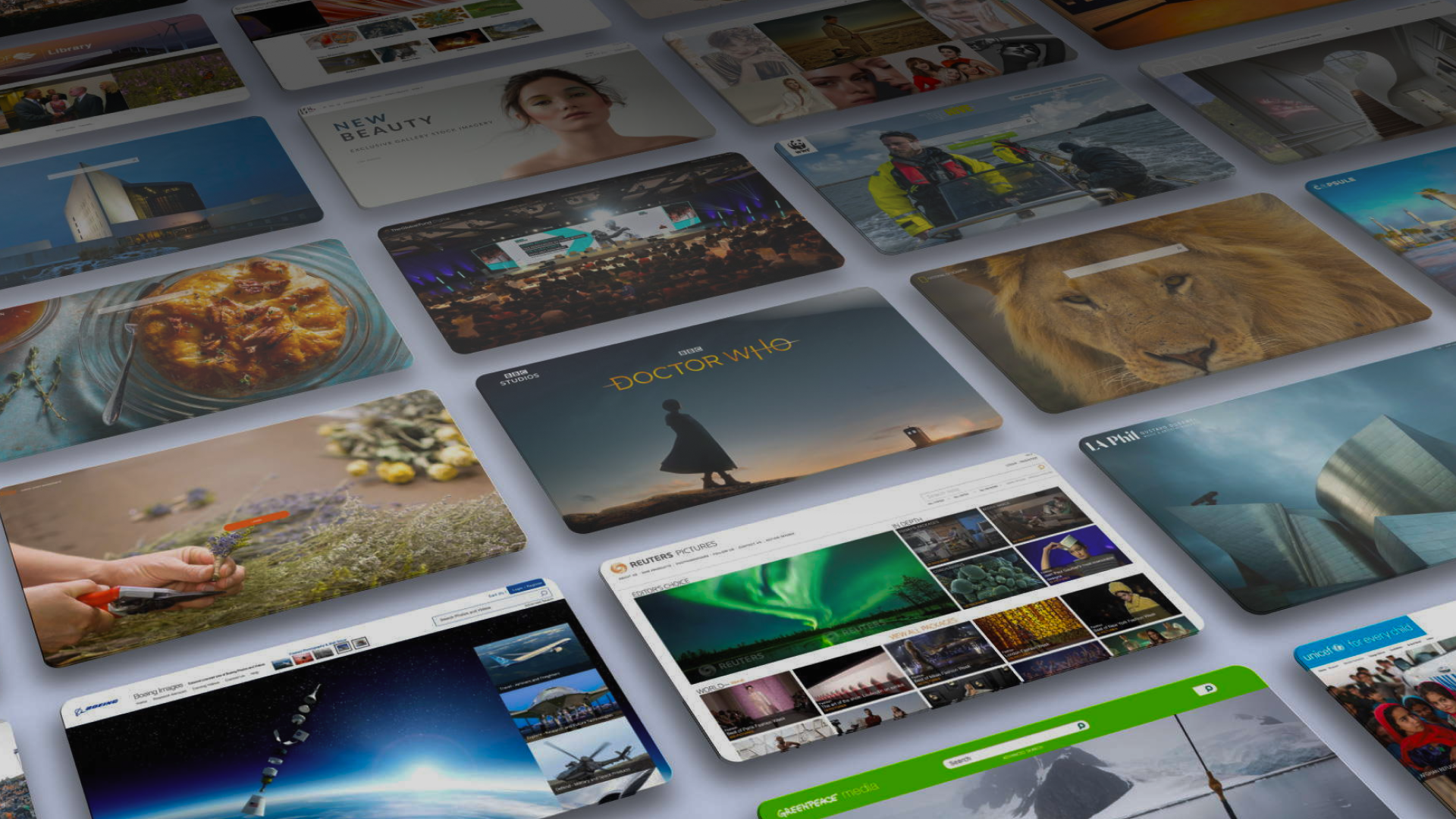
Digital Asset Management sounds straightforward until you're managing hundreds of millions of assets across organizations like BBC, Facebook, Airbnb, and Boeing. At that scale, every design decision has consequences. A confusing workflow doesn't just frustrate a user. It costs hours across thousands of people, every day.
I joined Orange Logic in 2012 as their first dedicated product designer, originally having come from the client side. I knew the product from the inside out: its strengths, its friction points, and the gap between what it could do and how easily people could actually do it.
The platform was called Cortex. It was powerful, technically sophisticated, and genuinely trusted by some of the world's most demanding media organizations. My job wasn't to tear it down and rebuild it. It was to evolve it carefully, continuously, and without breaking what was already working.
Cortex’s Asset Management in the early 2000s
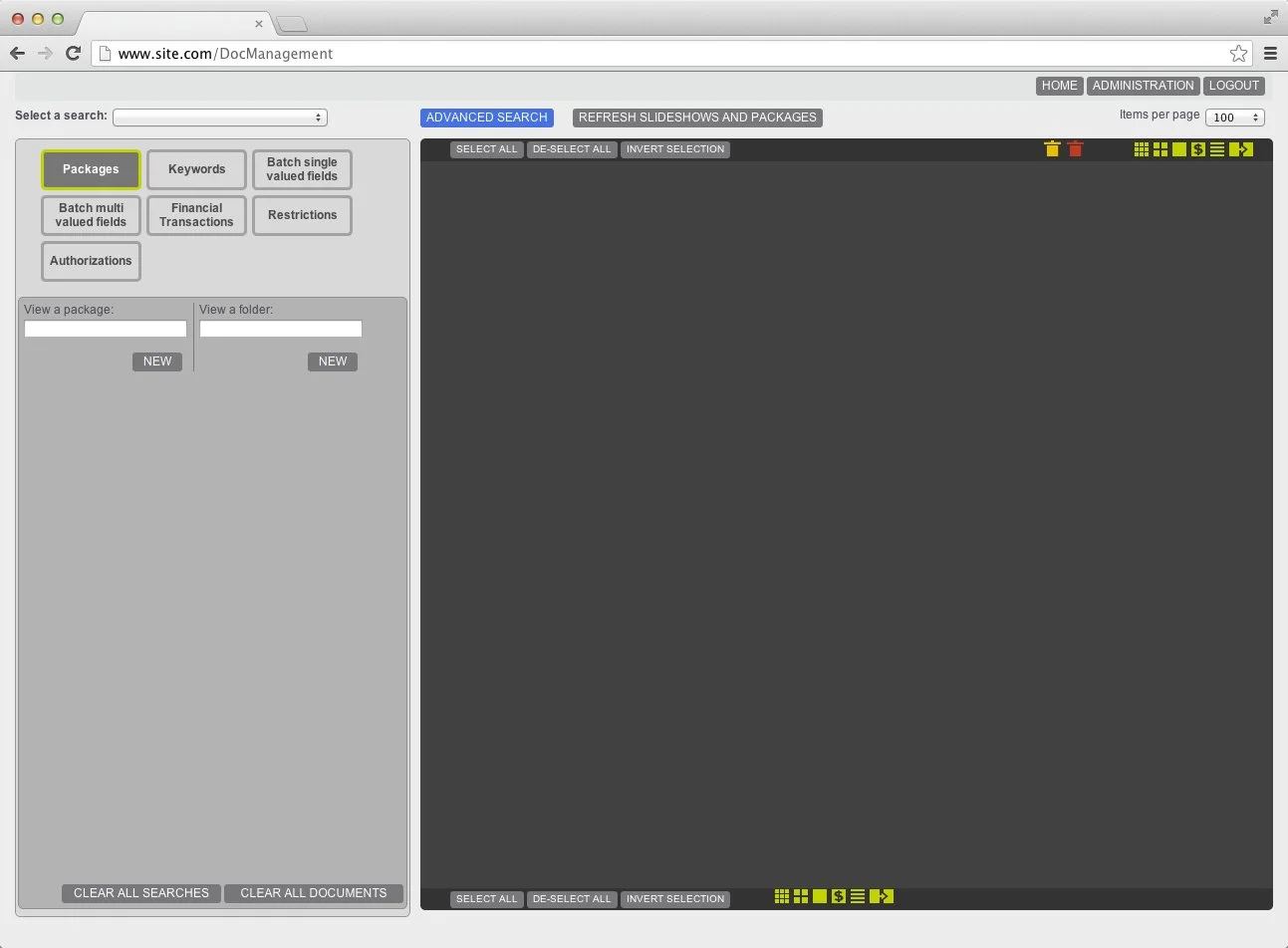
The first challenge was navigation and information architecture. Users were getting lost inside a product they used every day. We mapped their actual workflows, identified where the friction lived, and restructured the experience around how people thought about their work rather than how the system was organized.
The second challenge was scalability. Orange Logic's clients ranged from small creative agencies to global broadcasters. A single interface had to serve radically different use cases without becoming a bloated, compromised experience for everyone. The answer was a modular design system: components that could be configured and extended per client without requiring custom development for every deployment.
Cortex’s Asset Management in 2019
That system became one of Orange Logic's most significant competitive advantages. It compressed implementation timelines, reduced client onboarding friction, and made it possible to serve enterprise clients at a scale that wasn't previously possible.
Over seven years, the results compounded. Orange Logic grew 300%, entered a $3.5B market, and expanded its client portfolio to over 50 accounts including BBC, Facebook, Airbnb, and Boeing. I was promoted to Partner, joining the CEO and CTO on the leadership team.
The lesson I carry from Orange Logic: the most durable design work isn't the most dramatic. It's the kind that earns trust incrementally, respects what came before, and scales without falling apart.