
What happens when engineering starts before research does.
—
SailPoint
What happens when engineering starts before research does.
—
SailPoint
SailPoint Workflows
Rescuing a product from its own technology
Identity security moves fast. Every new employee, contractor, bot, or application added to an organization needs access, and every departure needs that access removed, immediately and completely. The pace of that work had outrun the tools available to manage it. SailPoint needed a solution.
The vision was clear: a drag-drop, low-code/no-code automation workflow tool that would let administrators build complex access workflows without writing a single line of code. Intuitive enough for a non-technical user. Powerful enough for enterprise security at scale.
The problem was that engineering had already started building before design or research had been engaged. By the time my team came in, nearly two quarters of development had been invested in a technical model that didn't match how users actually thought about their work. The product was being built for the technology, not for the people who would use it.
We started research immediately.
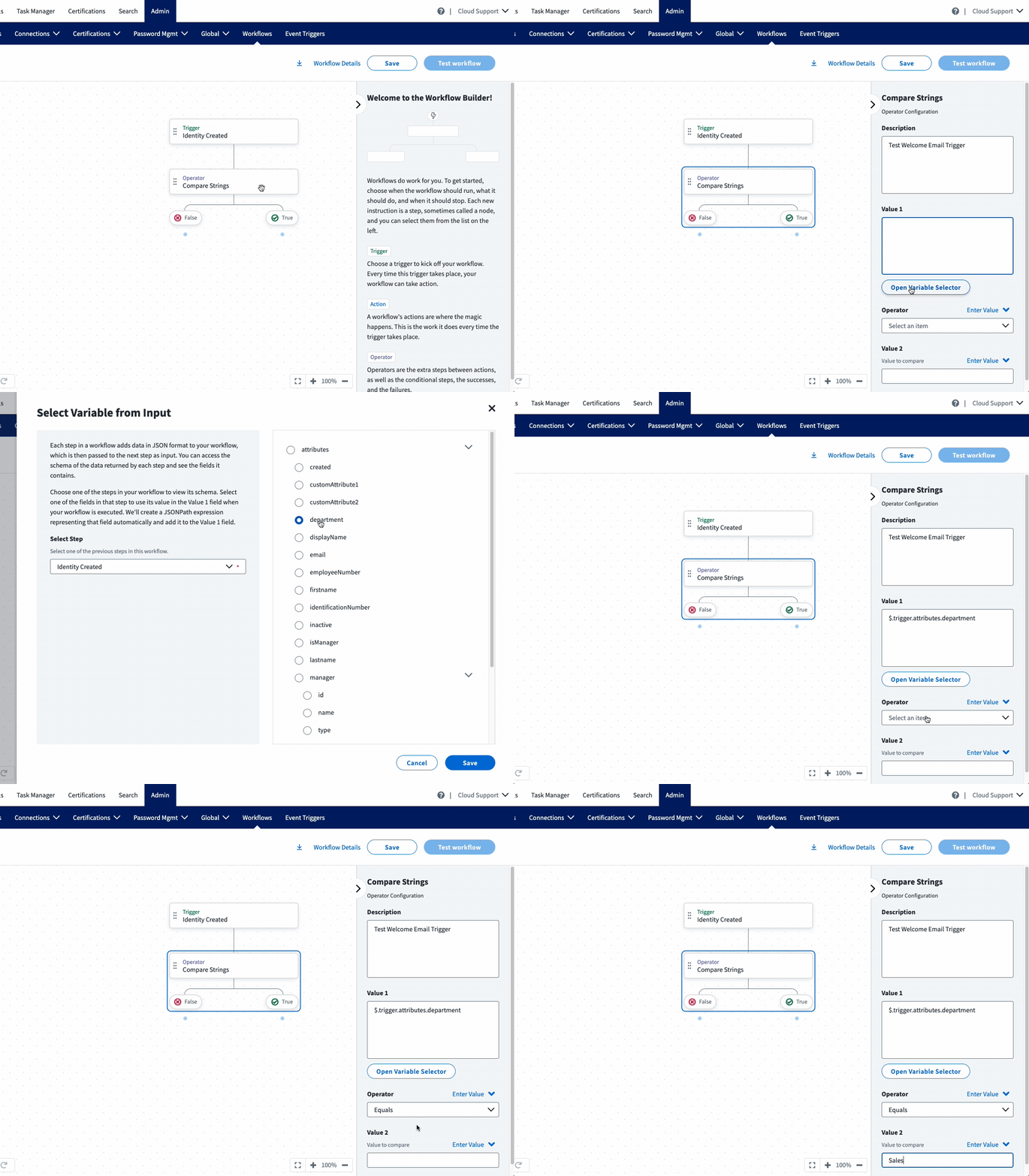
This is one of the clearest examples I can point to of what happens when UX research is engaged before development begins versus after. Two quarters of rework, avoided. A product that launched on the right foundation instead of a corrected one.
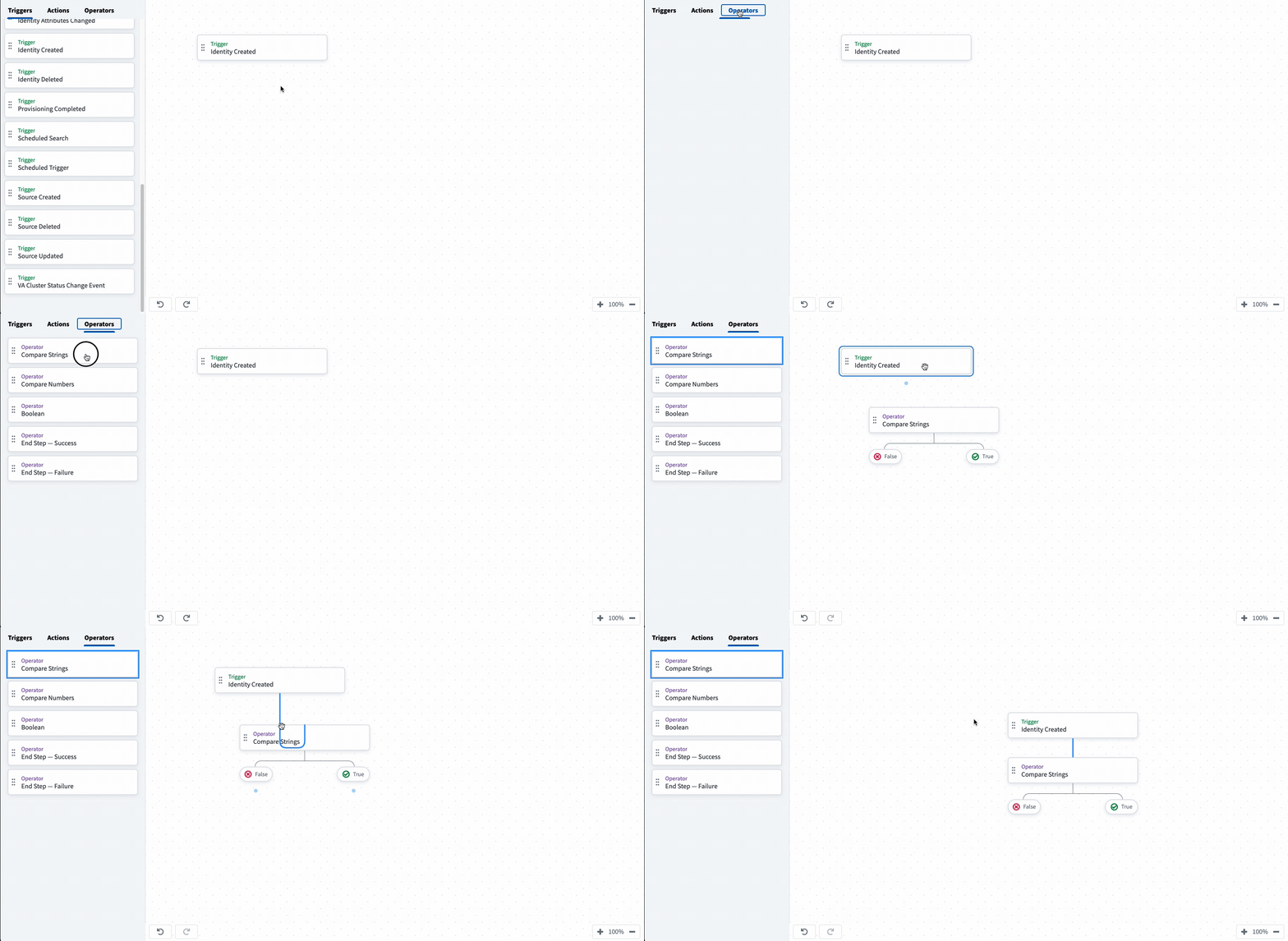
What we found was significant enough to change direction. Users didn't think in terms of the technical model engineering had assumed. Their mental model was fundamentally different, and designing to it, rather than around it, meant redirecting the product before it was too late. It was an uncomfortable conversation. It was also the right one.
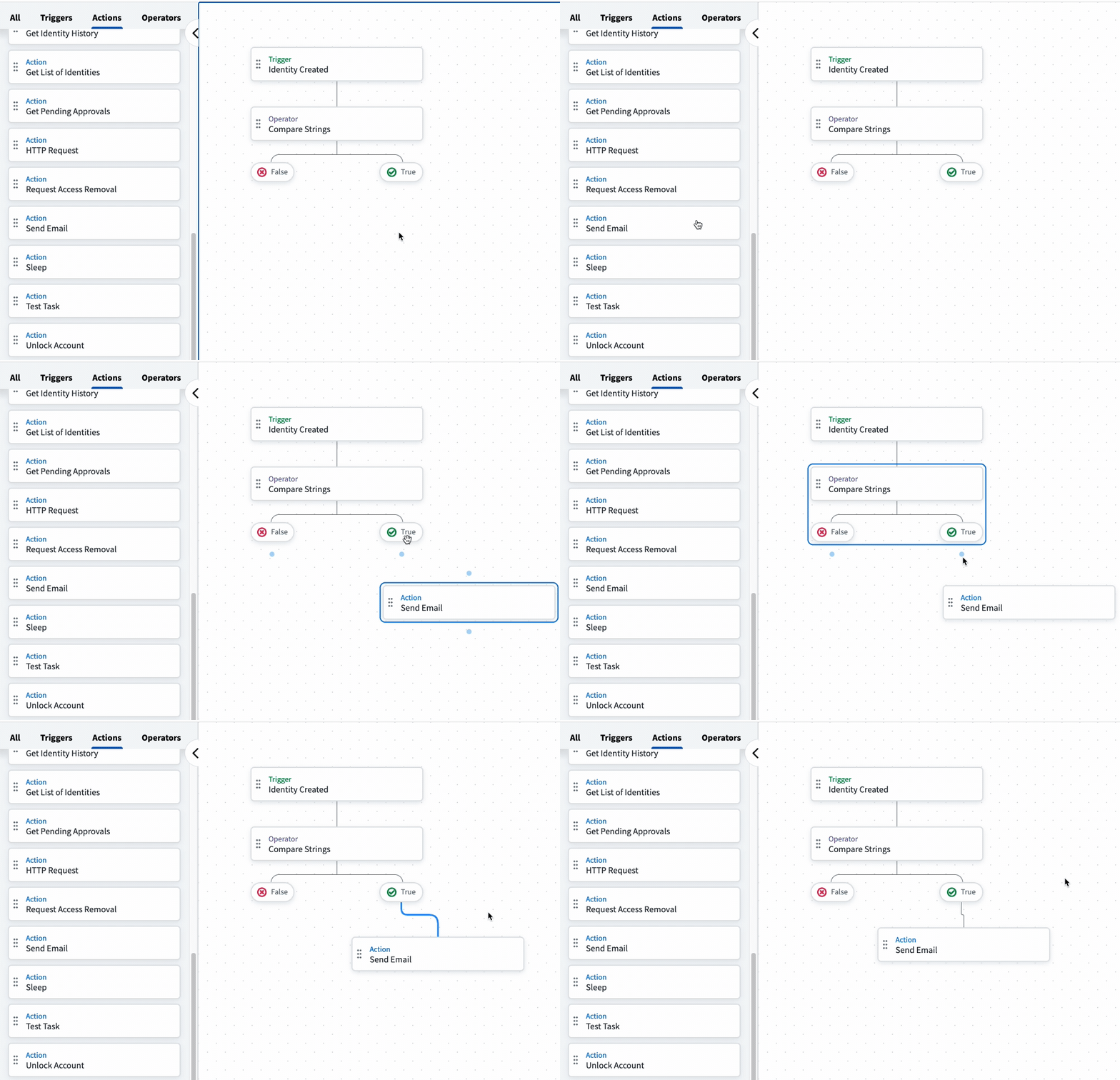
Workflows launched in October 2022 as part of SailPoint's Business Plus suite. Within the first few months it had delivered 100% above its set Key Results — not by accident, but because the foundation was right.
The bigger lesson: the most expensive design decision a company can make is treating UX as a finishing step rather than a starting point.